
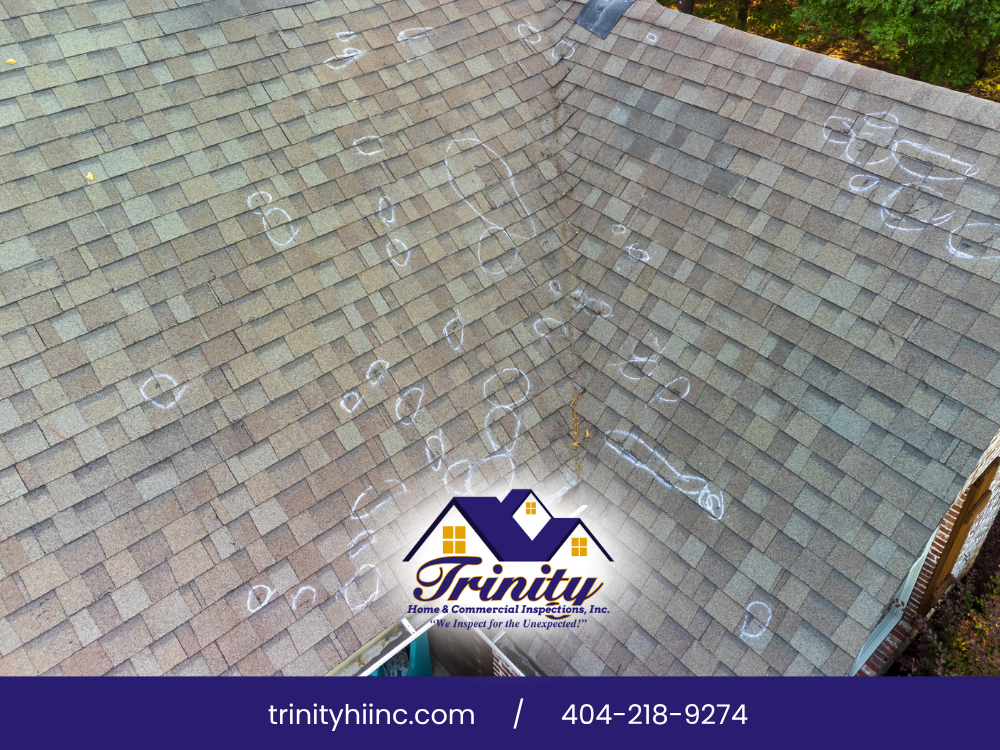
 How Wind And Hail Damage Appears On Roofs In Fayette County
Spring and summer storms across the Atlanta area can bring strong wind gusts, heavy rain, and occasional hail. Even when a storm passes quickly, it can place significant stress on roofing materials. Some changes are obvious right away, while others are subtle and may go unnoticed until moisture problems or wear begin to develop.
For homeowners in Fayette County and the surrounding Atlanta area, it helps to understand how wind and hail damage may appear on a roof after severe weather. Knowing what inspectors commonly look for can make it easier to recognize possible warning signs and decide when a professional home inspection may be helpful.
Wind Can Shift Or Lift Shingles
Strong winds during spring storms can place pressure on roofing materials and weaken the seal that helps keep shingles in place. Even if shingles remain attached, they may no longer lie flat or protect the roof as effectively as intended.
Home inspectors often look for signs such as:
- Shingles that appear lifted or curled
- Missing shingles after storms
- Exposed nails where shingles have shifted
- Ridge cap shingles that appear loose or out of alignment
These changes may seem minor at first, but they can allow moisture to reach the underlying roof structure if not addressed.
Hail Damage Can Leave Impact Marks On Roof Surfaces
Although hail is not present in every storm, it does occur during severe weather in the Atlanta region. When hail strikes roofing materials, it can affect the surface of the shingles or leave visible marks on other roof components.
Inspectors frequently look for:
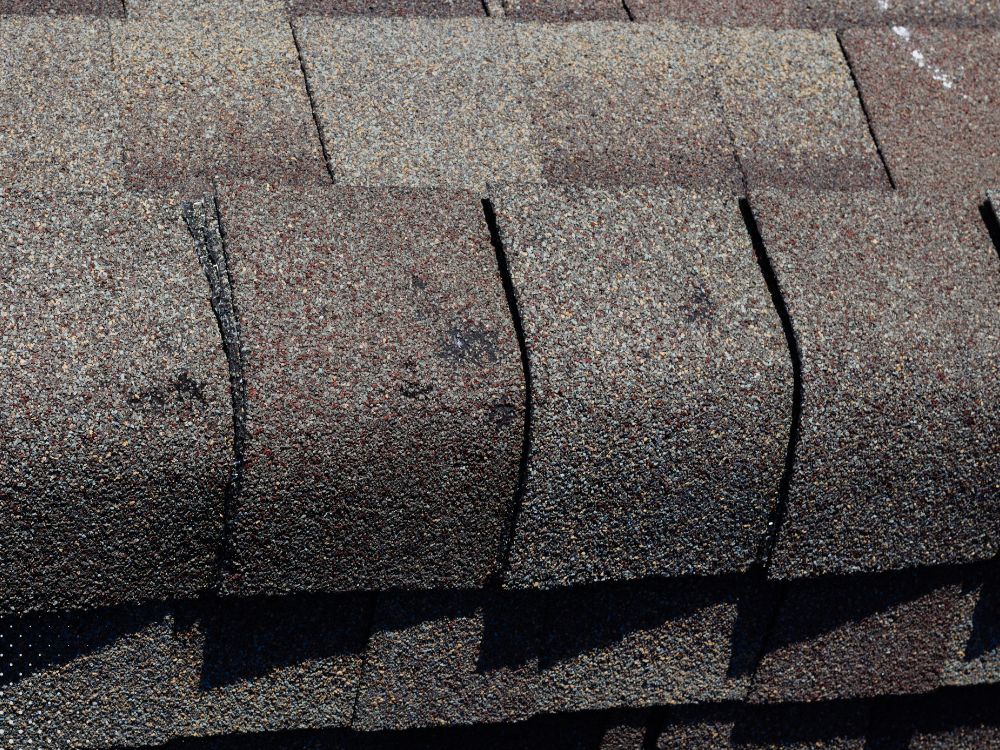
- Circular impact marks on asphalt shingles
- Areas where protective granules are missing
- Small cracks or chips in roofing materials
- Dents on metal roof components such as vents or flashing
Granules help protect asphalt shingles from sun exposure and long-term weathering. When hail removes part of that surface, the shingles may wear faster over time.
Storm Debris Can Cause Additional Roof Wear
Strong winds often carry branches, leaves, and other debris onto the roof. When debris lands on roofing materials, it may cause scratches, dents, or blocked drainage areas.
Inspectors sometimes observe:
- Broken or displaced shingles
- Debris trapped in roof valleys
- Scratches or dents from falling branches
- Blocked drainage paths where water should flow off the roof
Debris left on the roof can also trap moisture, which may contribute to gradual wear if it is not removed during routine maintenance.
 When Homeowners Should Consider A Roof Inspection
Many homeowners perform a visual check after storms, but some roof issues are difficult to spot from ground level. A professional inspection may be worth considering when storm conditions were severe or when visible changes appear around the roofline.
A home inspection may be helpful when:
- A recent storm included strong wind or hail
- Roofing materials appear loose or misaligned
- Debris struck the roof during a storm
- The roof is older and has experienced repeated weather exposure
During a professional inspection, inspectors typically evaluate roofing materials, flashing, and visible drainage areas to determine whether weather conditions may have affected the roof.
What Home Inspectors Look For During Roof Inspections
A roof inspection involves more than just looking at the shingles themselves. Inspectors also consider how different roof components work together to shed water and protect the home.
During a home inspection, professionals often review:
- The overall condition of roofing materials
- Flashing around vents and roof transitions
- Drainage areas where water flows off the roof
- Visible signs of moisture intrusion related to the roof system
These observations help homeowners better understand the condition of the roof and whether maintenance or further evaluation may be needed.
Storms across Fayette County and the Atlanta area can affect roofing systems in several ways. Wind may lift or loosen shingles, hail can create impact marks, and debris may contribute to additional wear. Some of these signs are subtle and may not be easy to see from the ground.
By recognizing these warning signs and scheduling inspections when needed, homeowners can stay ahead of maintenance concerns and better protect their homes.
If you live in Fayette County or the surrounding Atlanta area, schedule your home inspection with Trinity Home & Commercial Inspections today. Trinity says it serves the Atlanta metropolitan area, including Fayette.
Call 404-218-9274 or visit https://www.trinityhiinc.com/ to book online today!